ArtículoArticle
Psytrance, el Coliseo y un clon de Sonic: mis benchmarks de IAPsytrance, the Colosseum and a Sonic clone: my AI benchmarks
Rodrigo Díaz
Un modelo me encerró detrás de una pared invisible. Otro se olvidó del doble salto. Y un demo lo estoy convirtiendo en un juego de verdad.
La semana pasada hice mis propios benchmarks. Tres.
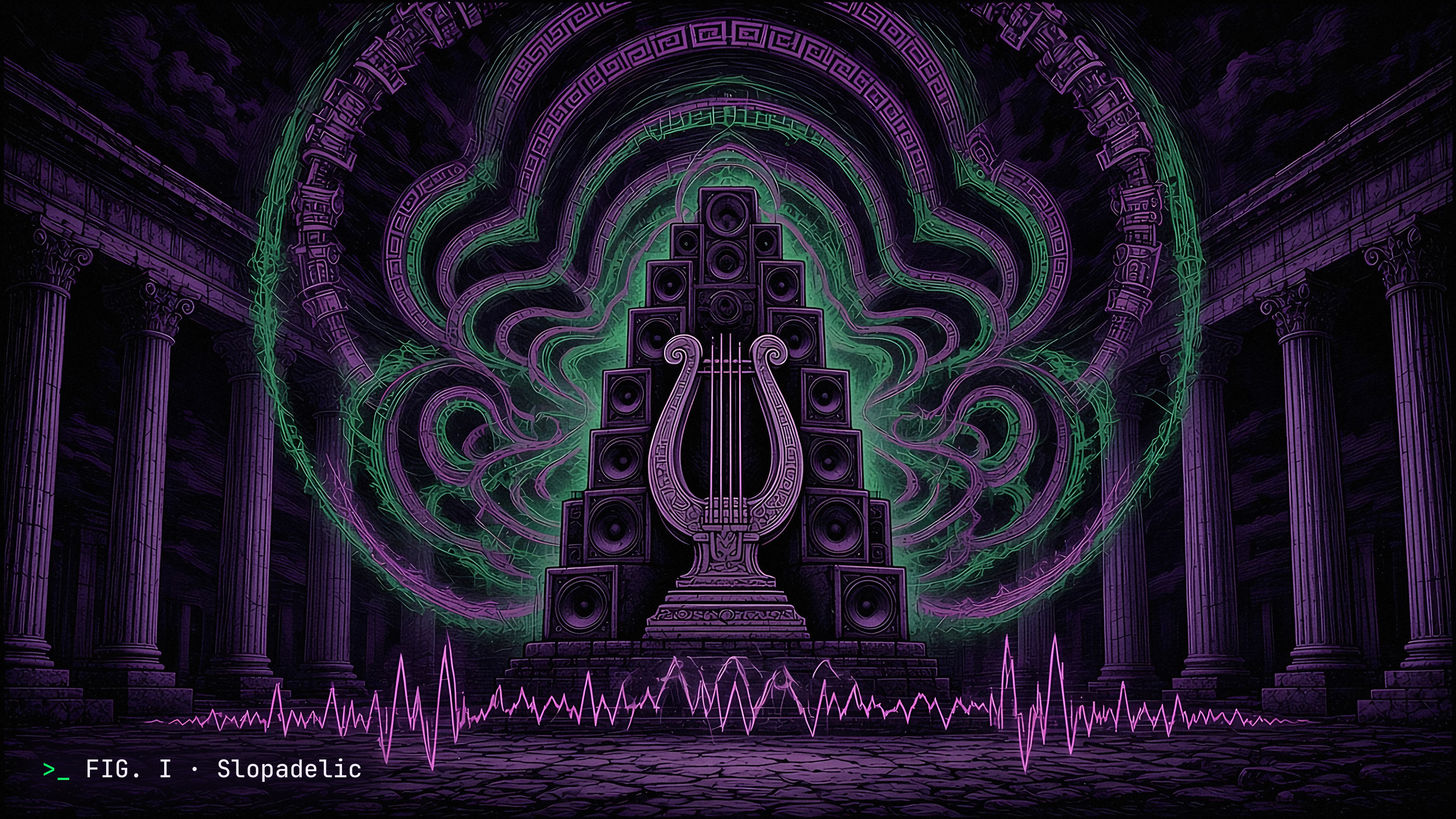
El primero es Slopadelic. Le pido al modelo que haga música psytrance y visuales fractales que se muevan con el ritmo, todo en código.
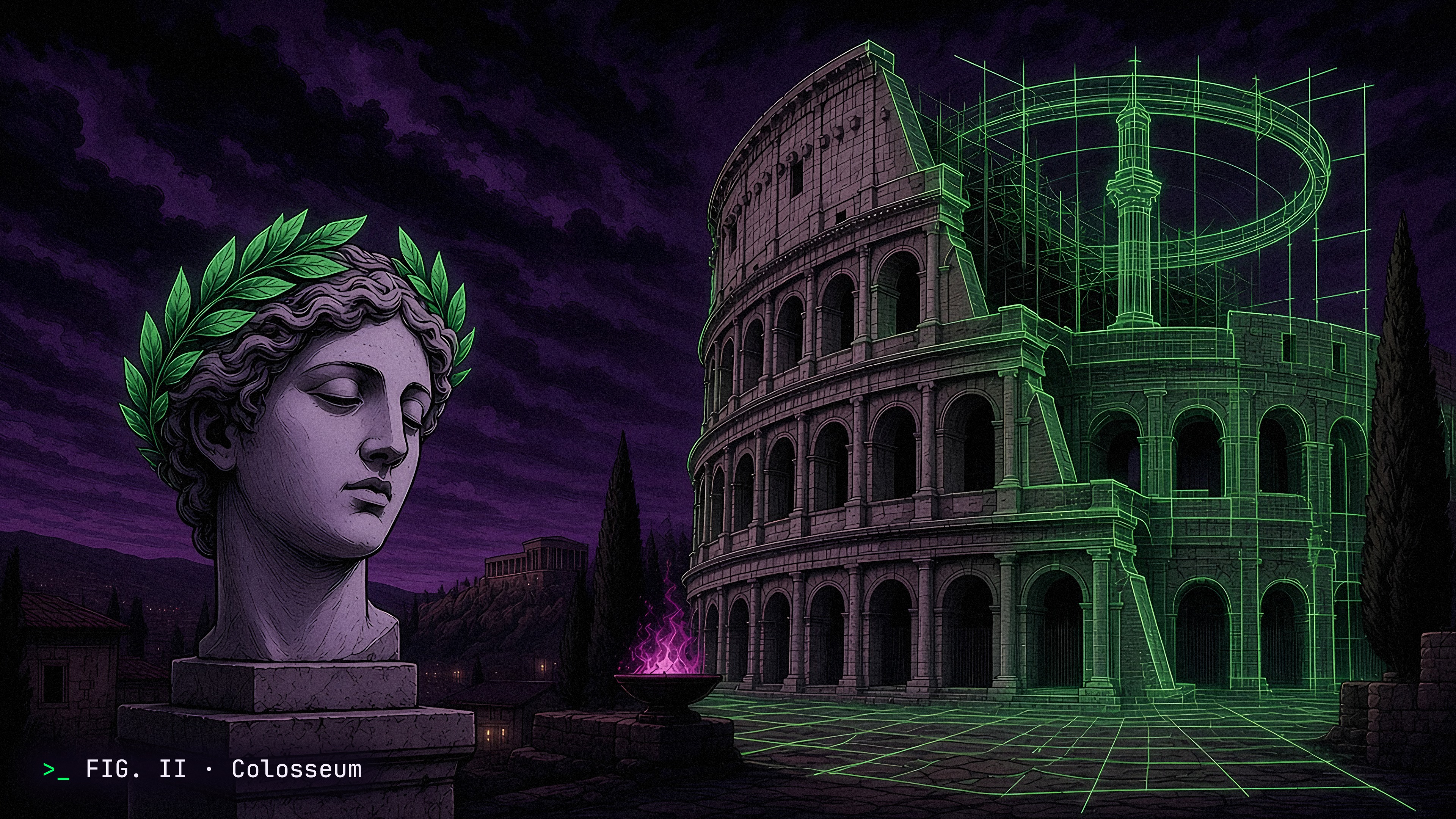
El segundo es el Coliseo. Un modelo 3D del Coliseo, sin internet. El modelo tiene que construirlo de memoria, con las medidas que cree correctas.
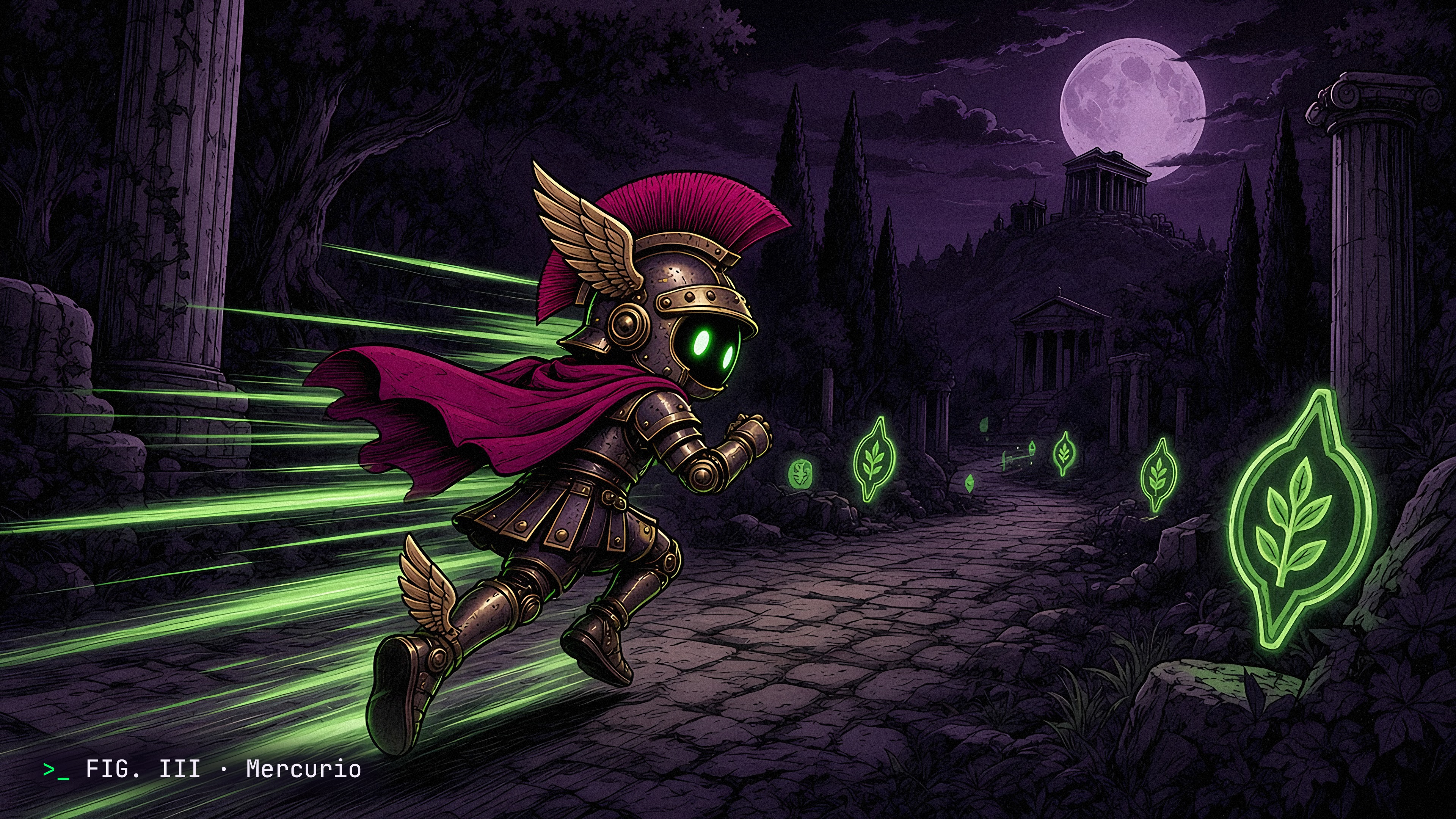
El tercero es Mercurio. Sonic Frontiers es uno de mis juegos favoritos últimamente, así que pedí un juego así, con la marca de Augurtek (augurtek.com).
Corrí los tres en GPT-6.2 Astra, Sol 6.2, Claude Fable 5.2 y Opus 5.5.
Slopadelic
Empecé con Sol 6.2 y Opus 5.5, y después pasé a los grandes, Astra y Fable.
Sol 6.2
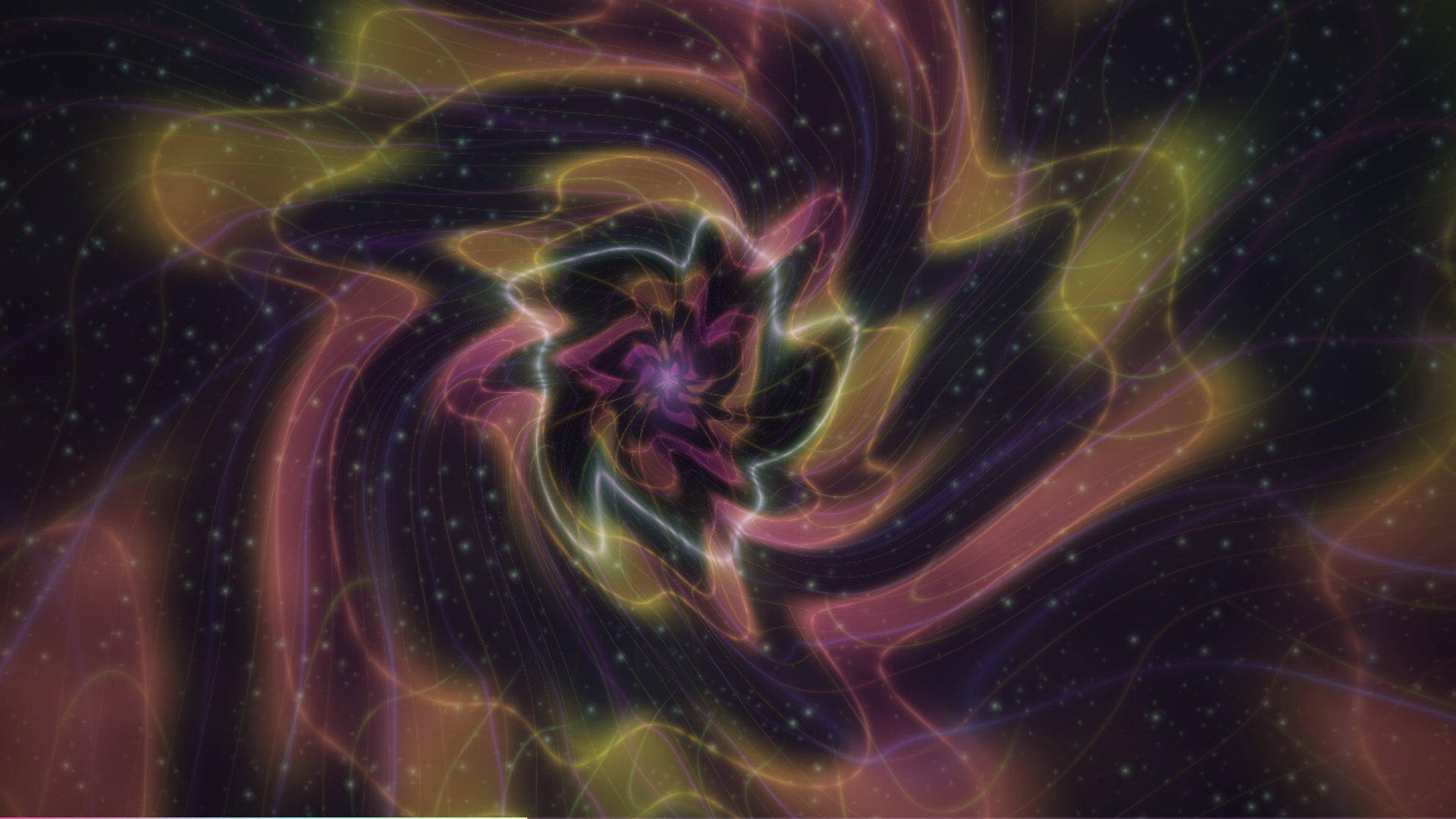
Sol estuvo bien. Me gustó cómo se veía y cómo sonaba.
Opus 5.5
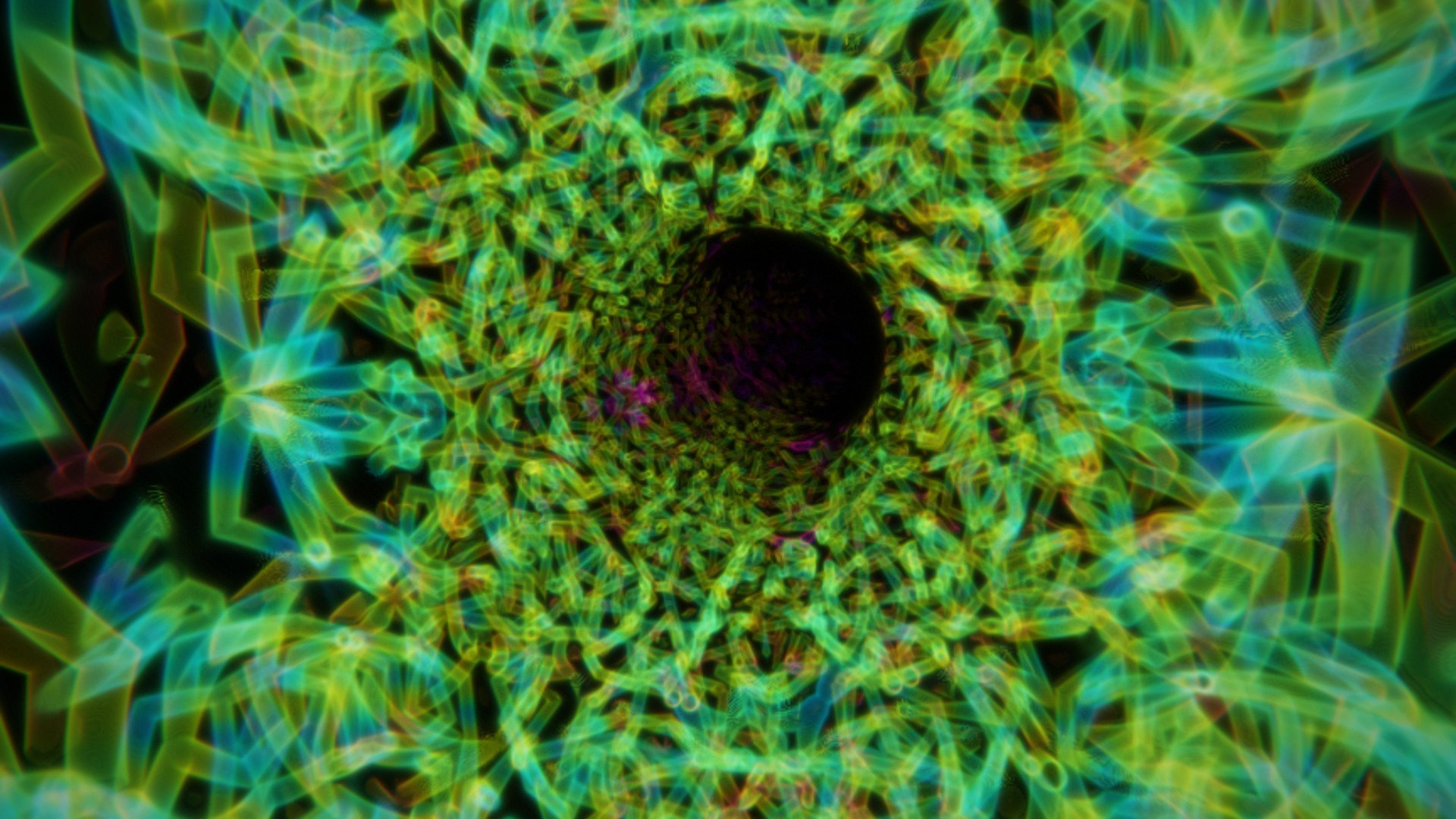
Luego llegó Opus y fue otro nivel. La música, el viaje, todo.
Fable 5.2
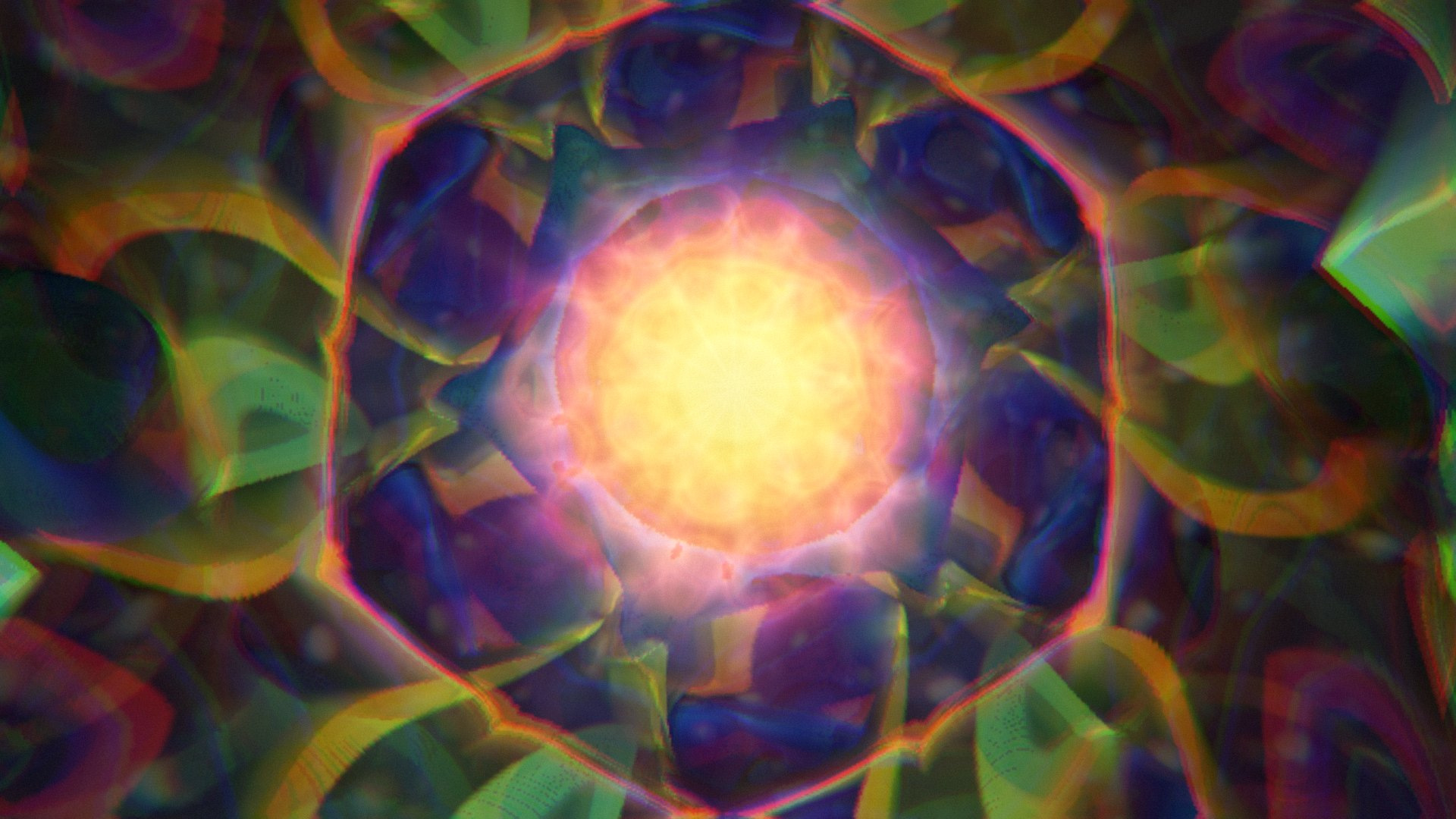
Fable estuvo todavía mejor. Mejor canción, y los visuales se movían más.
Astra 6.2
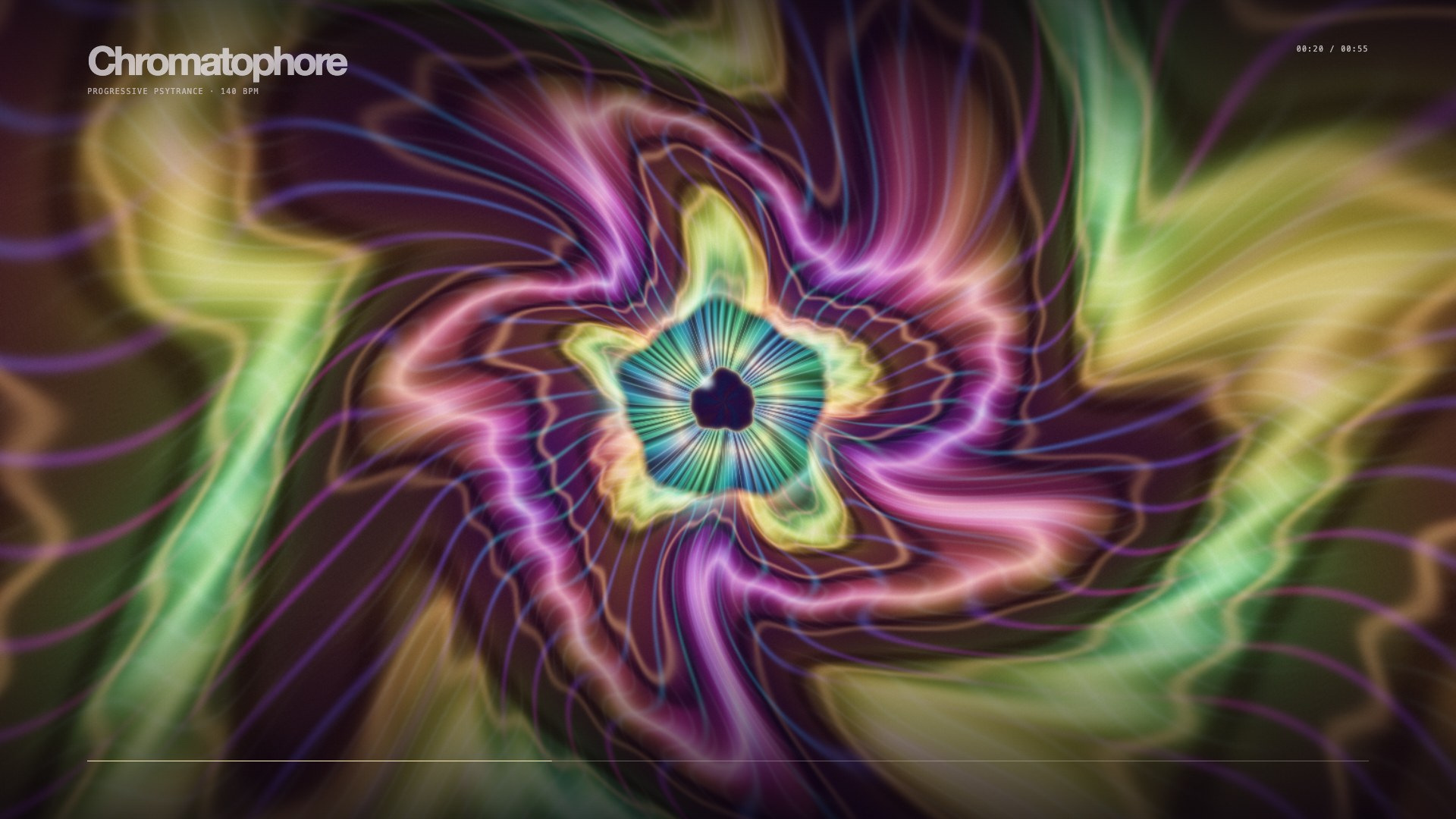
Astra y Sol salieron el mismo día que grabé, así que en teoría Astra debería ganar. No ganó. El sonido no era tan lleno y los visuales no eran tan dinámicos. Para ser el modelo de frontera de OpenAI, no fue tan impresionante.
Mi ranking: Fable, Opus, Sol, Astra.
El Coliseo
Le dije a cada modelo que usara como referencia el Coliseo del siglo I d. C. Sin internet, sólo con lo que ya sabe.
Opus 5.5
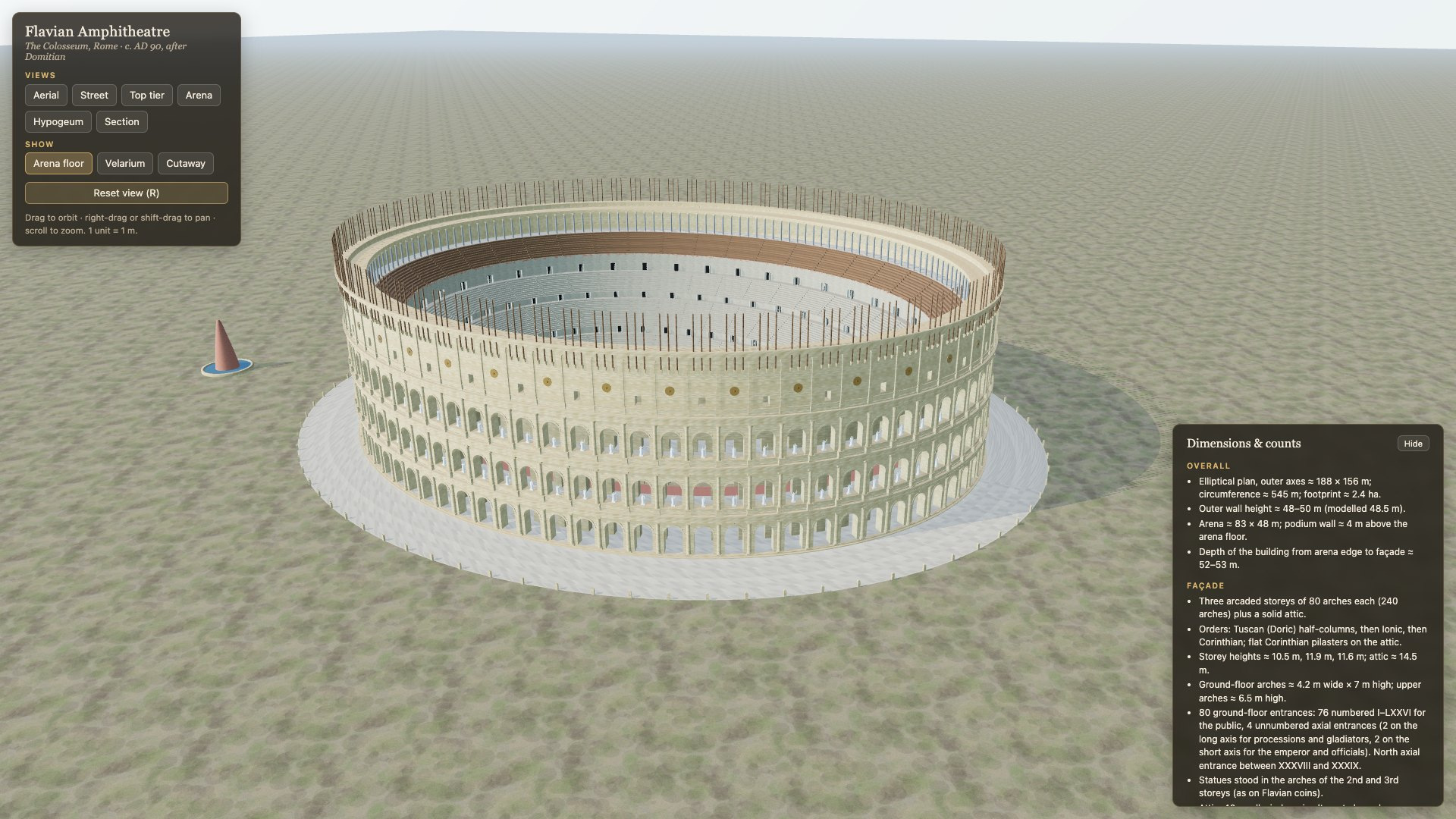
Opus 5.5 fue primero. Distintas vistas, el hipogeo donde guardaban a los animales, el velario para dar sombra. Nada mal.
Sol 6.2
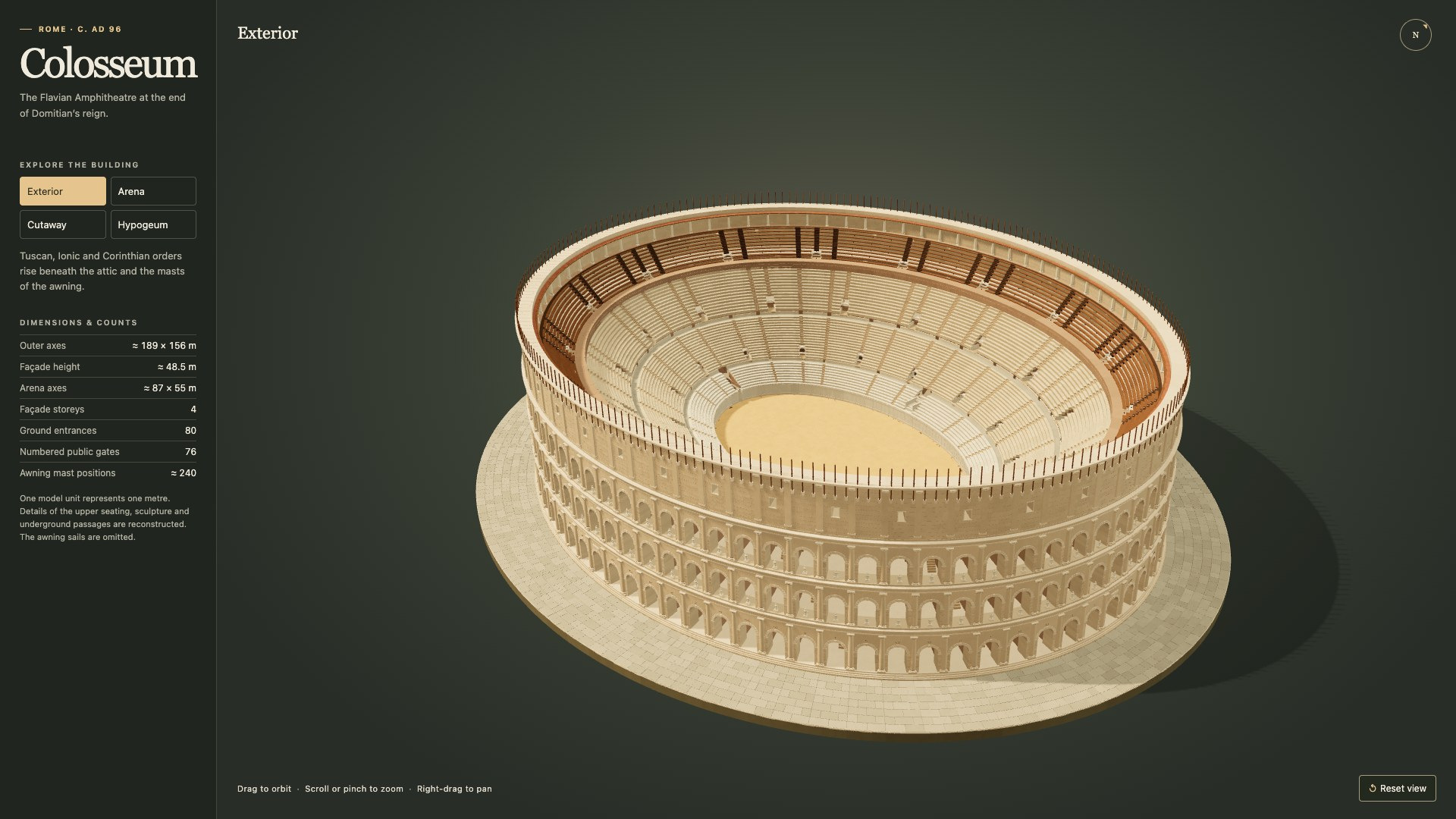
Luego Sol 6.2, y Sol le ganó a Opus. Se veía hermoso, y el frontend me gustó mucho más.
Astra 6.2
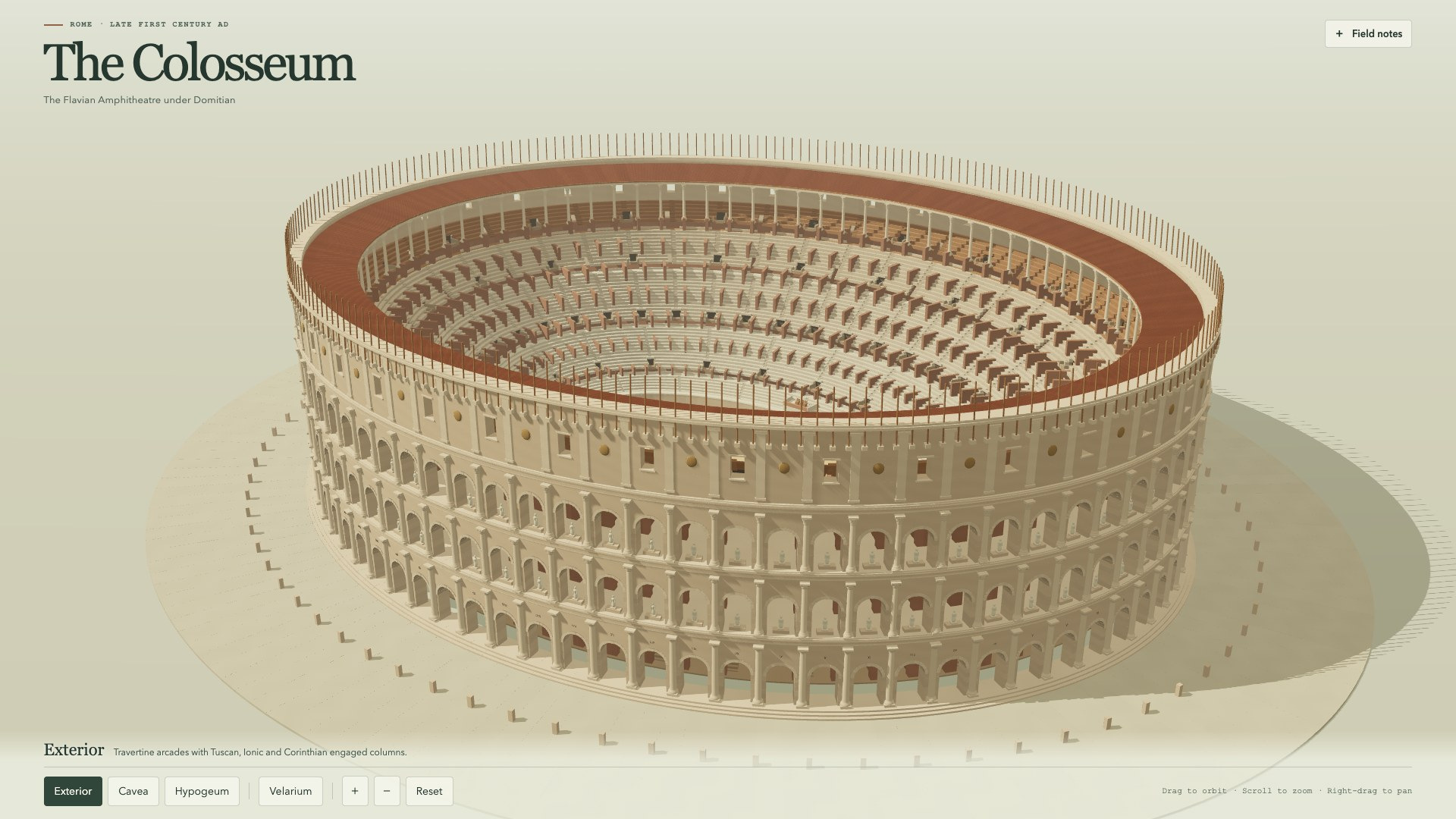
Astra contra Sol fue una decisión muy difícil. Me gustó más la interfaz de Sol, pero creo que el modelo de Astra en sí era mejor.
Fable 5.2
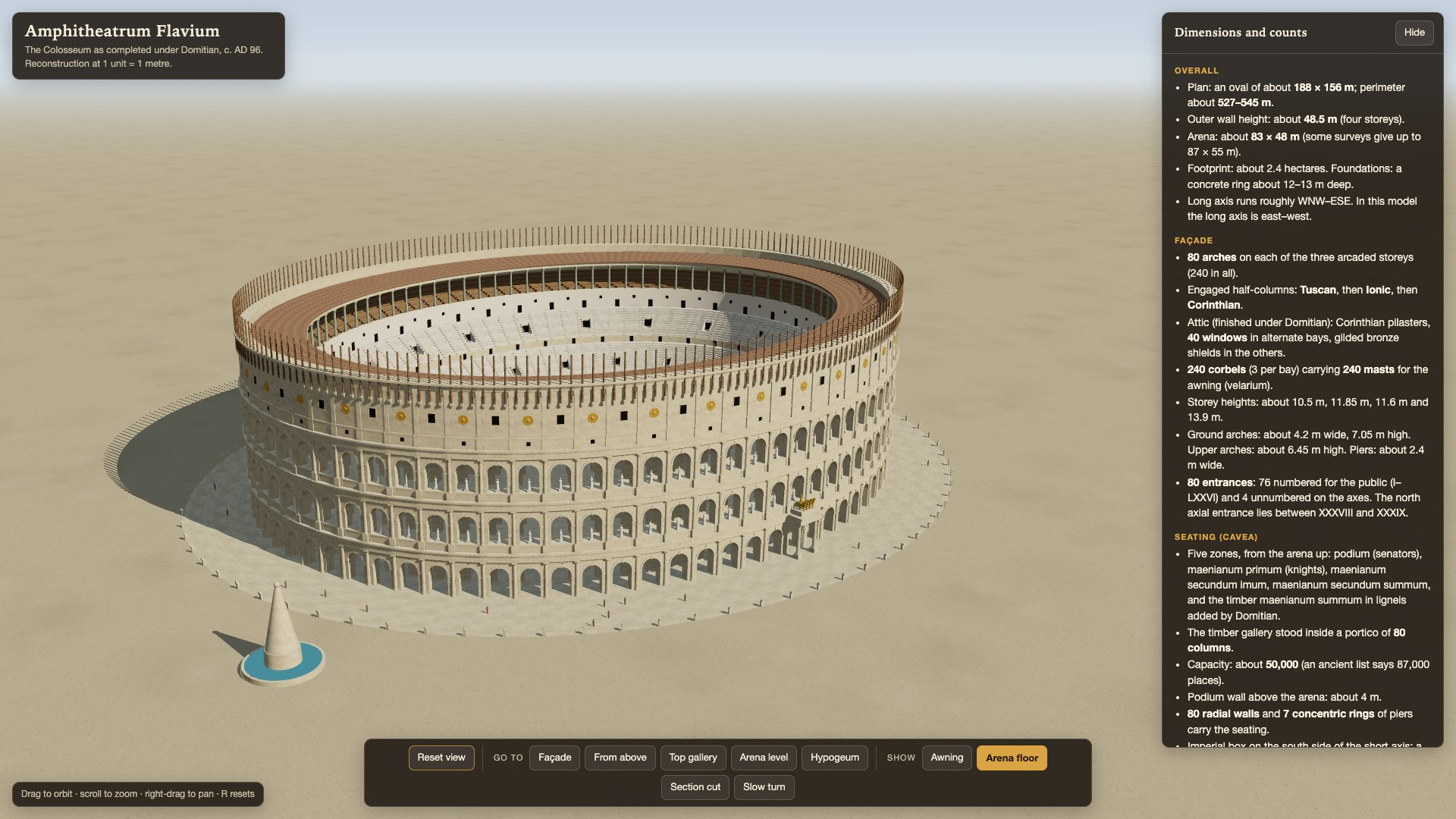
El de Fable se parecía bastante al de Astra. Me gustaron las sombras. Pero las estatuas de Astra eran mejores, y por alguna razón Fable puso una etiqueta en portugués.
En modelado 3D, esta vez los modelos de OpenAI lo hicieron mejor que los de Anthropic.
Mi ranking: Astra, Sol, Fable, Opus.
Mercurio
Este es el más interesante. Pedí un juego al estilo de Sonic Frontiers con un solo prompt sencillo. No quería una copia de Sonic, así que el héroe es Mercurio, en un bosque grecorromano, con la marca de Augurtek.
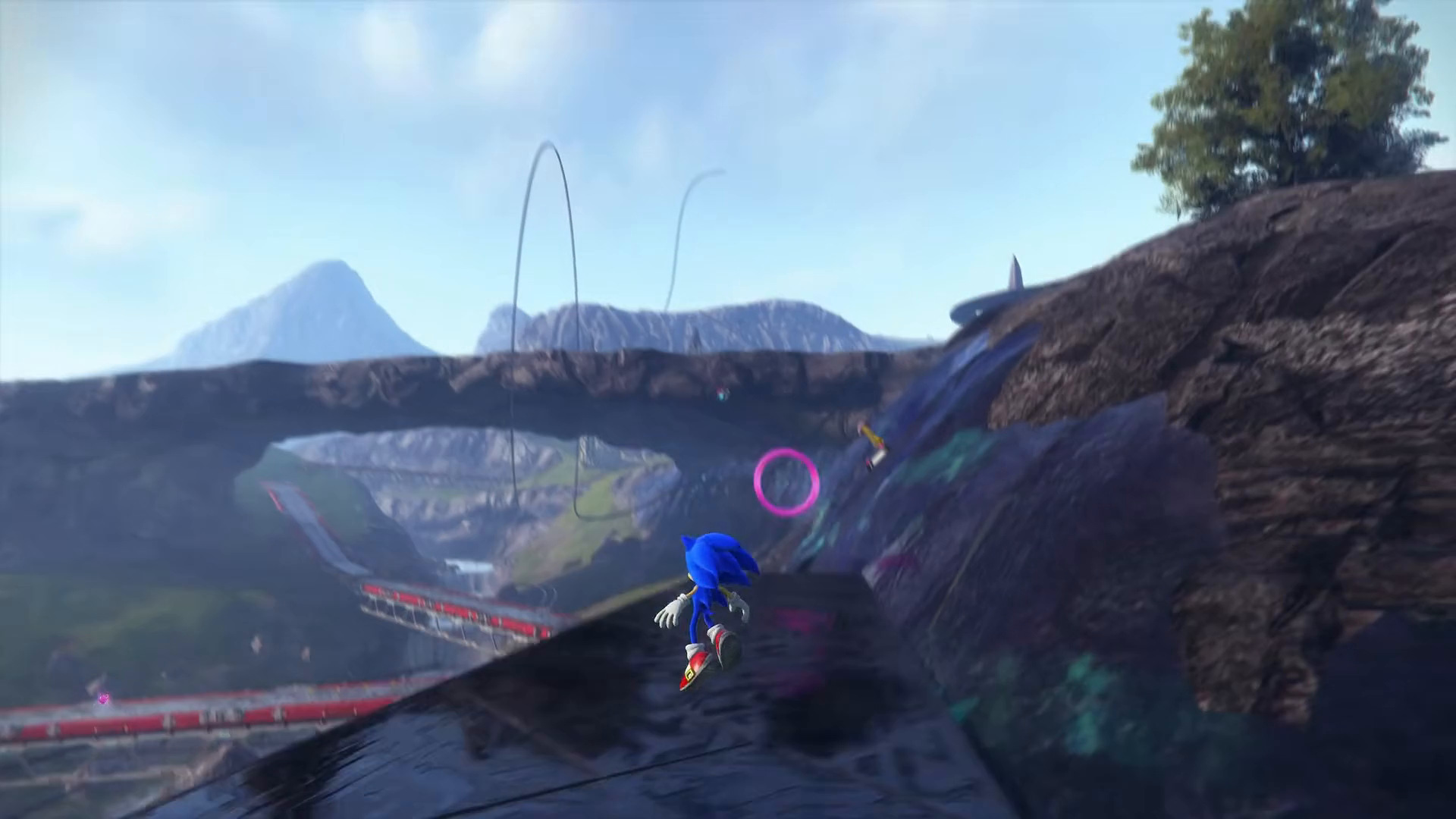
Sonic Frontiers, SEGA
Sol 6.2
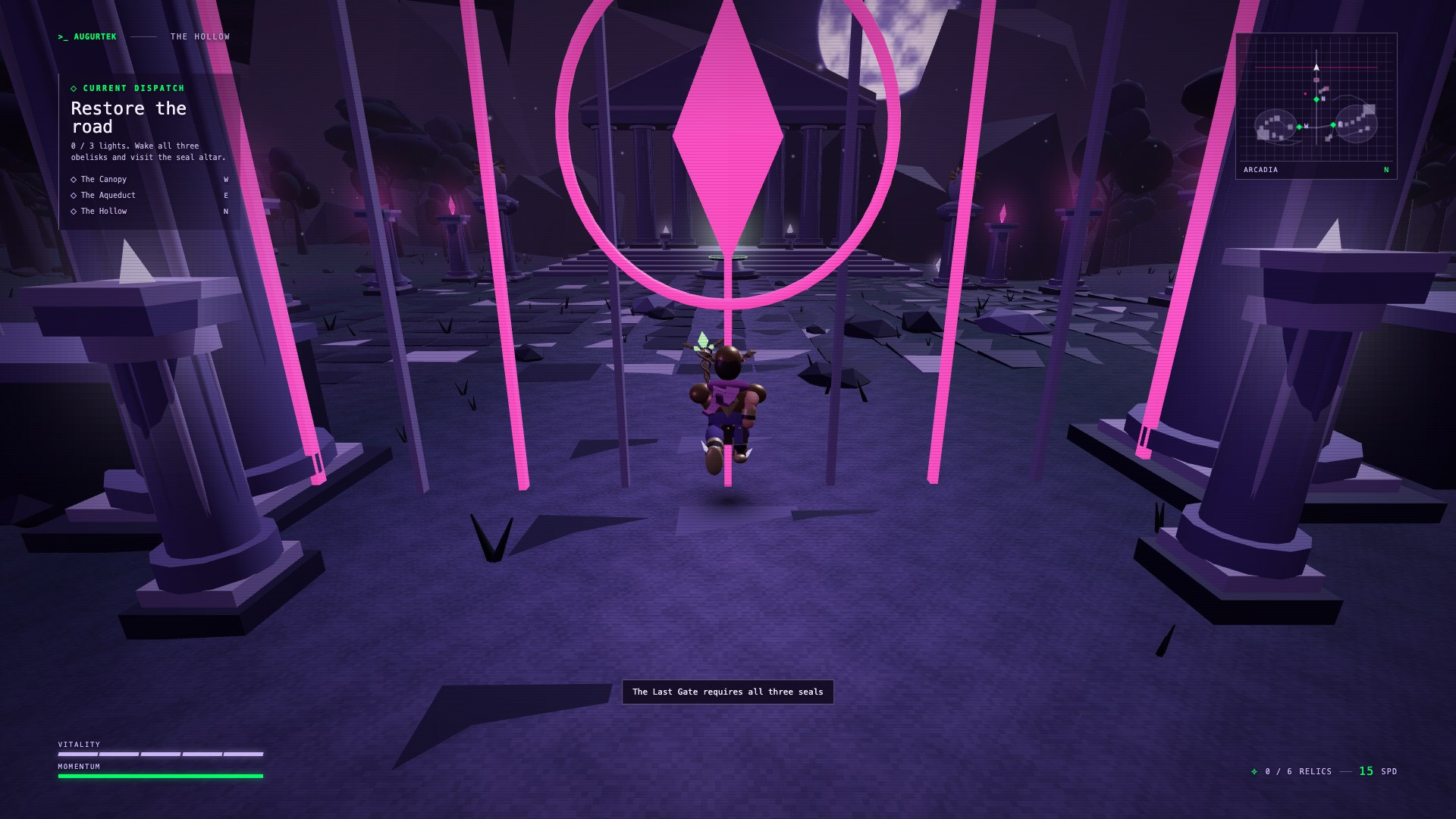
Sol 6.2 estuvo decente. Me gustó cómo se movía su capa. Pero no tenía doble salto, y no se sentía rápido ni dinámico como Sonic.
Opus 5.5
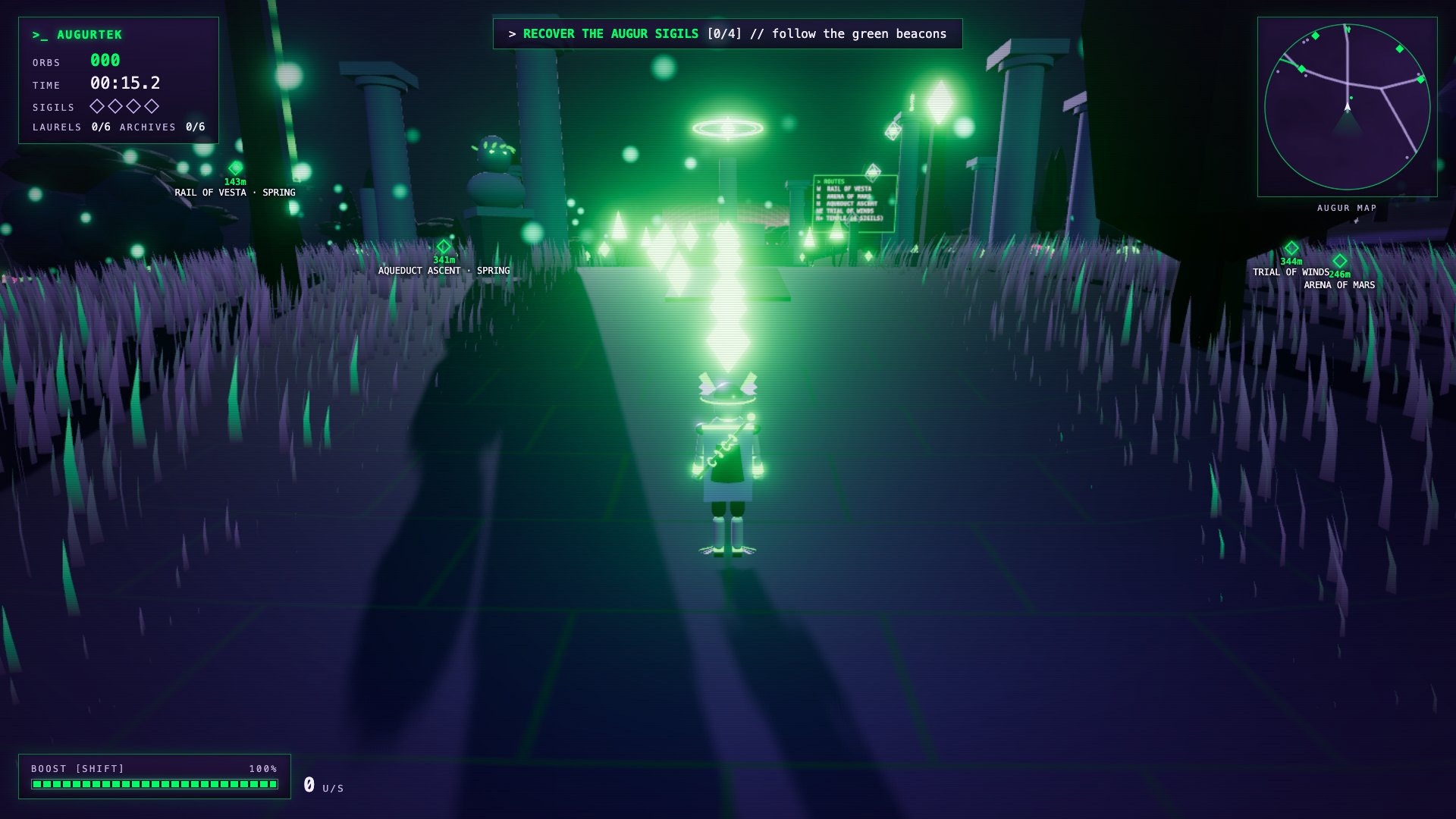
Opus 5.5 fue mucho más divertido. Demasiado neón para mi gusto, pero mejores controles, mejor música, y puedes saltar directo a los rieles. De verdad me dio esa sensación de Sonic Frontiers.
Astra 6.2
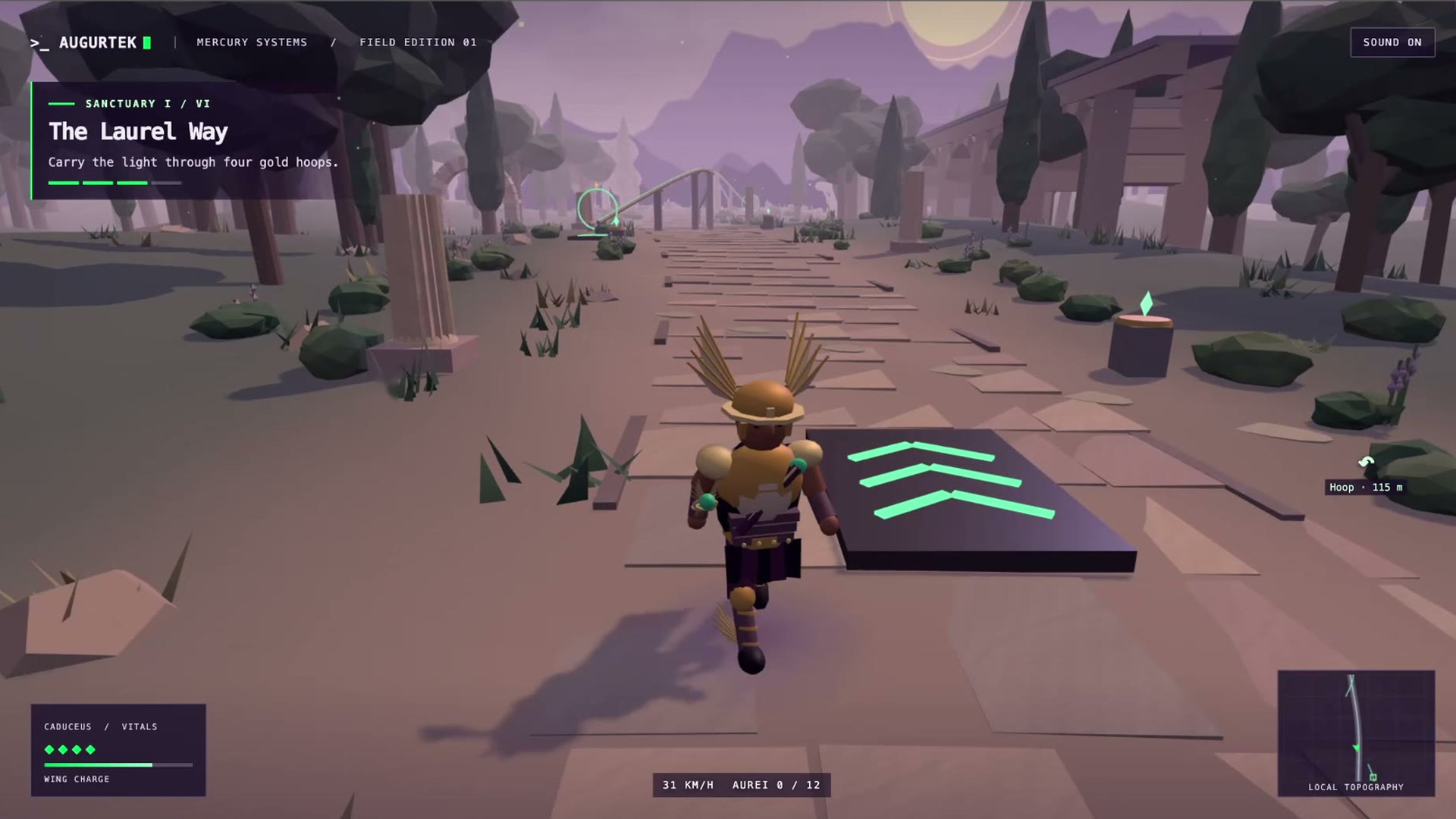
Astra 6.2 me decepcionó. No se parecía en nada a Augurtek, era más lineal, la música no estaba buena, y ni siquiera pude terminar el nivel por una pared invisible.
Fable 5.2
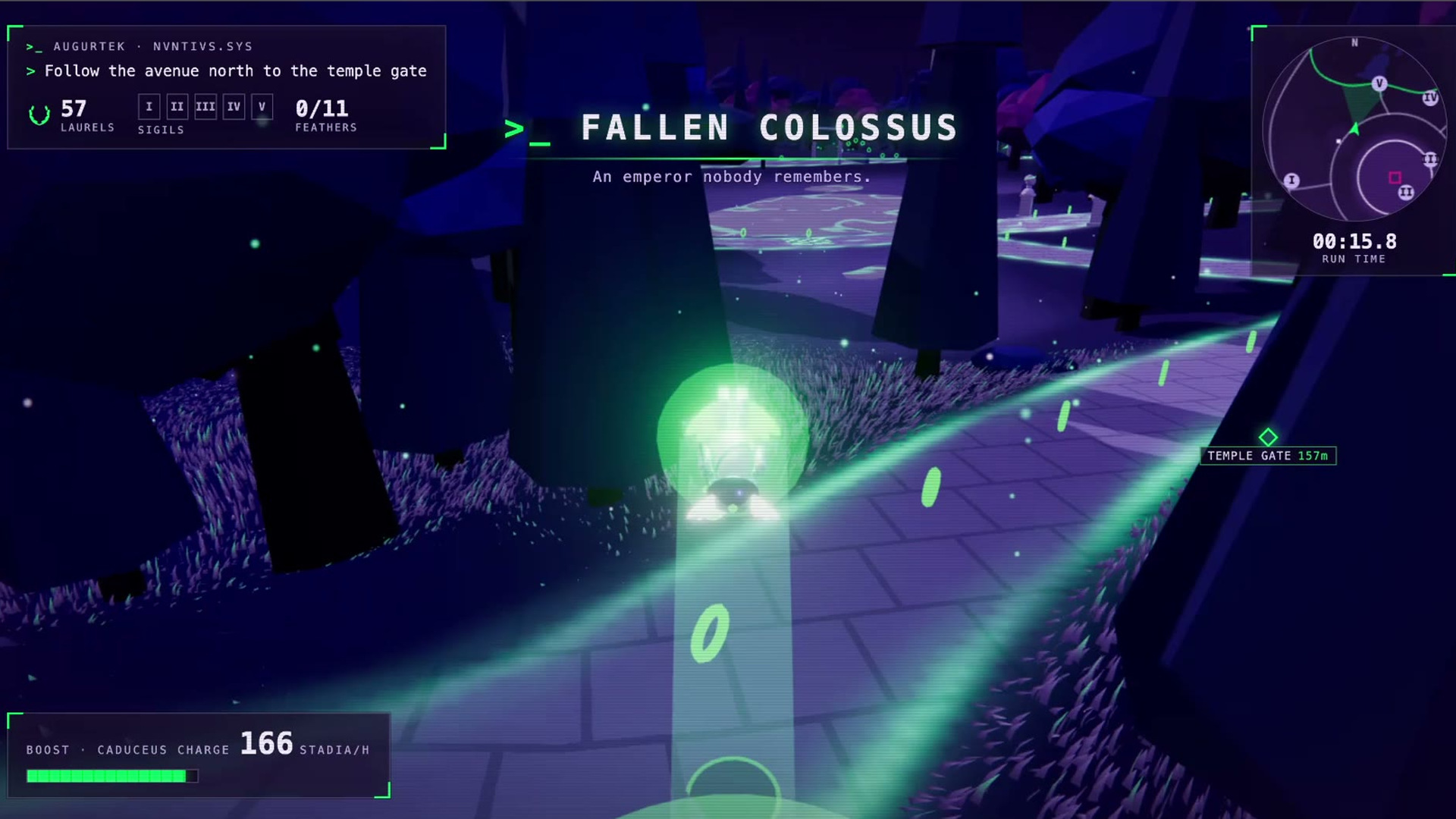
Luego Fable 5.2. El movimiento, la música, el mundo... este juego está muy bueno. De verdad me recordó a Sonic Frontiers.
Me gustó tanto que ya estoy trabajando en él en serio. Llevaba meses experimentando con hacer un videojuego con IA, poco a poco, y ninguno de esos demos era ni la mitad de divertido que este. Con un solo prompt.
Mi ranking: Fable, Opus, Sol, Astra.
Resultados
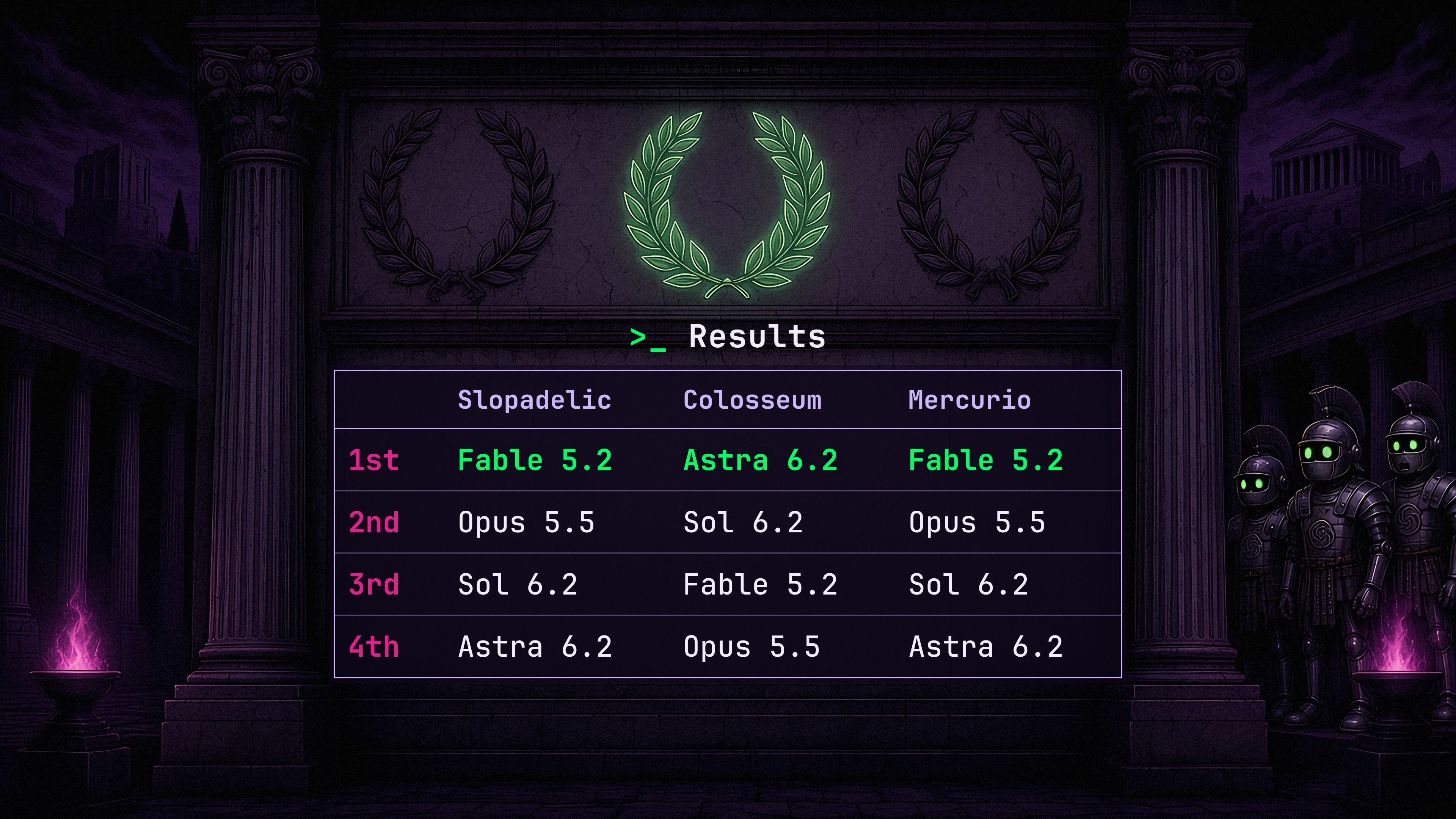
Una corrida por modelo. Tengo que decir que el primer Mercurio de Fable no se podía jugar. Chrome se congeló, y al darle play sólo salía una pantalla blanca enorme (el menú de pausa sí funcionaba). Fable lo arregló una vez. El juego, el nivel y los controles no cambiaron.
Cómo uso de verdad estos modelos
Los benchmarks dan un buen show. Pero lo que de verdad quiero compartir es cómo uso estos modelos en el día a día, porque no estoy casado con un solo modelo. Unos son mejores que otros para ciertas tareas.
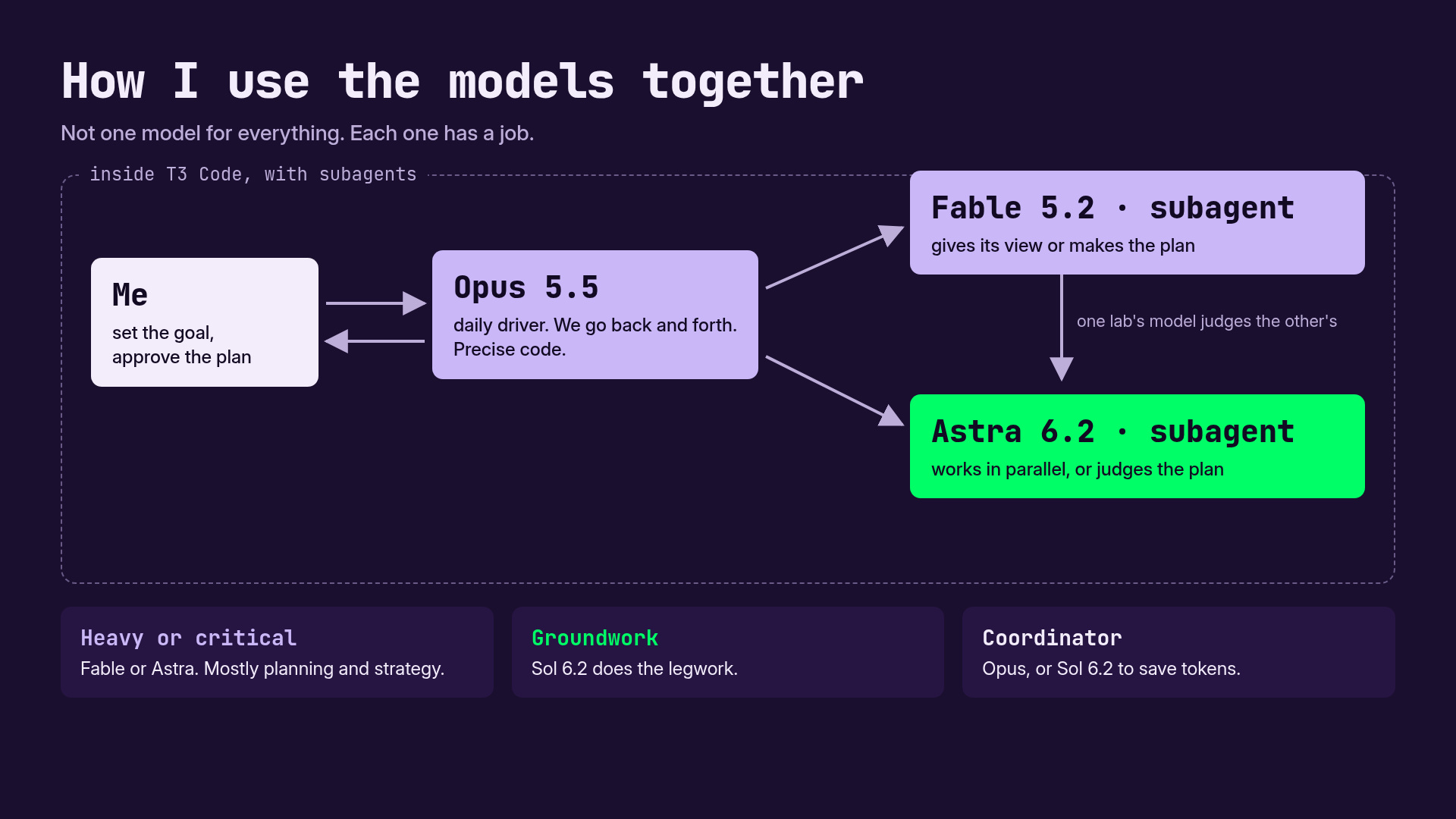
Opus 5.5 es mi modelo de todos los días. Es como un comodín: pensar, planear, ejecutar, hace de todo. Cuando tengo una idea, simplemente hablo con Opus. Esto es lo que quiero hacer, esto es lo que pienso, etcétera. Voy y vengo hasta que Opus entiende de verdad mi objetivo, mi situación y mi contexto.
Luego le digo a Opus que use un subagente de Fable 5.2. Opus le explica lo que quiero, y Fable da su punto de vista o hace un plan.
Normalmente no me quedo con lo que dice un solo modelo. A veces Astra 6.2 da su propio punto de vista en paralelo. Otras veces Fable hace el plan y Astra lo juzga. Eso lo uso mucho: un modelo hace, otro critica. Los hacen empresas distintas y cada una los ajusta a su manera. Así que no creo que lo mejor sea casarse con uno. Que cada uno dé su punto de vista, o que trabajen juntos hacia la misma meta.
Todo pasa en la misma conversación. Uso T3 Code, y mi conversación principal usa subagentes.
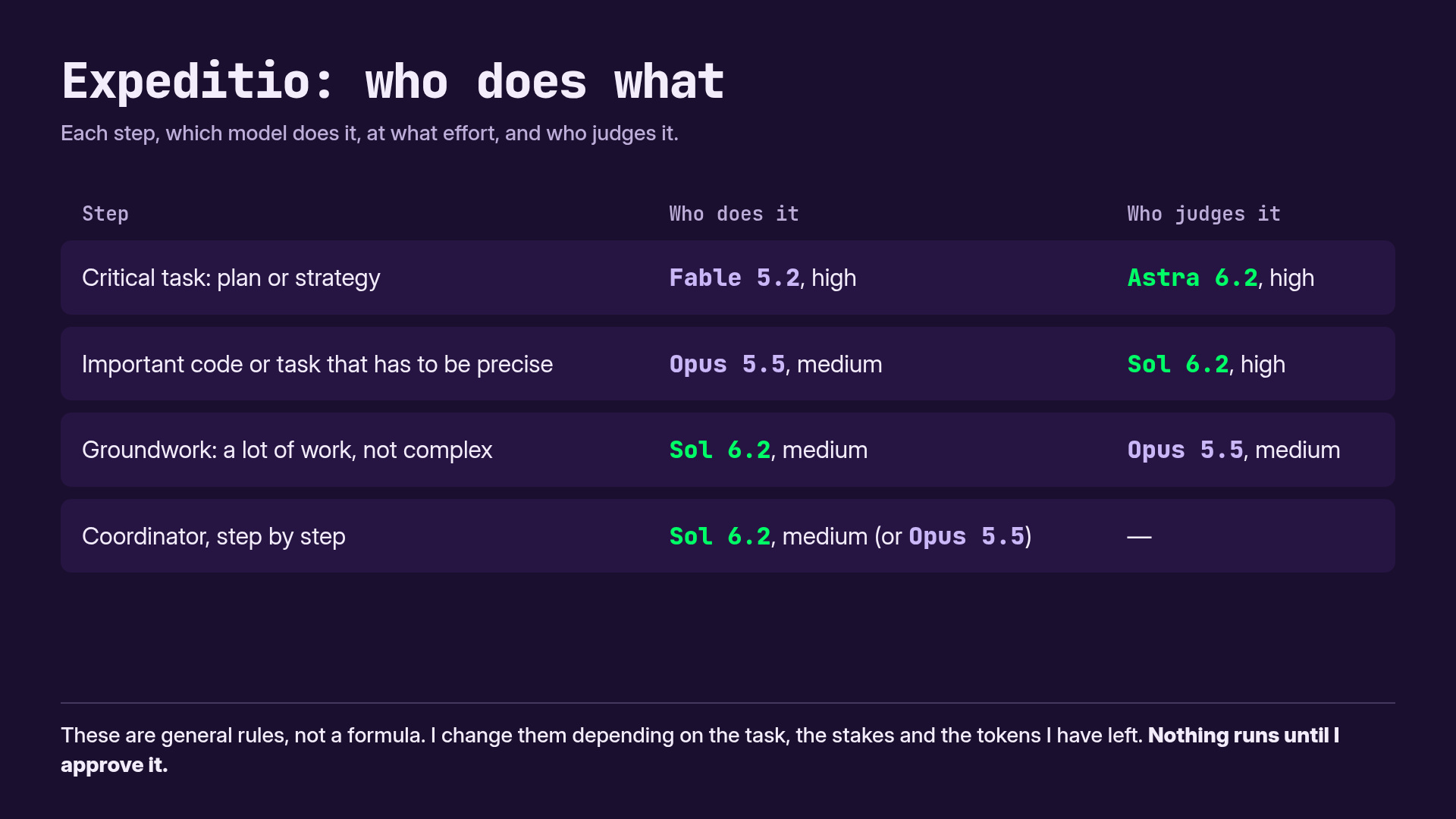
Cuando ya tengo el plan, pido una expeditio (así le llamo a un desglose de quién hace qué: cada paso, qué modelo lo hace y con qué nivel de razonamiento).
Las tareas pesadas y críticas van a Fable 5.2 o a Astra 6.2. Sobre todo para planear y para estrategia, no para ejecutar, salvo que la tarea de verdad lo necesite.
Por ejemplo, ahora mismo estoy construyendo Armarium, una biblioteca de investigación para mis agentes. Mando agentes a investigar cosas todo el tiempo, y no estaba guardando nada de eso. Mi agente ya sabía lo que yo quería y me dijo: «ok, dime y lo hago». Le dije que no. Me gusta tener el control.
Así que pedí la expeditio. Me dice cada paso, qué modelo lo hace, con qué esfuerzo y quién lo juzga. La planeación crítica va a Fable 5.2, y la juzga Astra 6.2. El código preciso va a Opus 5.5, y lo juzga Sol 6.2; el trabajo de base, al revés. Sol 6.2 coordina, porque un plan claro no necesita al modelo más inteligente para ejecutarse. Son reglas generales, no una fórmula, y nada corre hasta que yo lo apruebo.
Ah, sí, y un comentario aparte: también uso Sol 6.2 para cualquier tarea de computer use, o para cualquier cosa aburrida donde no quiero dar los clics yo.
La próxima vez que salga un modelo nuevo, entra directo a Slopadelic, al Coliseo y a Mercurio. Voy a publicar los resultados.
Video completo (en español): https://youtu.be/t-63CkBCZvY
One model locked me behind an invisible wall. One forgot the double jump. And one demo I'm now turning into a real game.
Last week I made my own benchmarks. Three of them.
The first one is Slopadelic. I ask the model to make psytrance music and fractal visuals that move with the beat, all in code.
The second one is the Colosseum. A 3D model of it, with no internet. The model has to build it from memory, with the measurements it thinks are right.
The third one is Mercurio. Sonic Frontiers is one of my favorite games lately, so I asked for a game like that, with Augurtek's branding (augurtek.com).
I ran all three on GPT-6.2 Astra, Sol 6.2, Claude Fable 5.2 and Opus 5.5.
Slopadelic
I started with Sol 6.2 and Opus 5.5, then went to the big ones, Astra and Fable.
Sol 6.2
Sol was good. I liked how it looked and how it sounded.
Opus 5.5
Then Opus came in and it was another level. The music, the trip, all of it.
Fable 5.2
Fable was even better. Better song, and the visuals moved more.
Astra 6.2
Astra and Sol came out the same day I recorded, so in theory Astra should win. It didn't. The sound wasn't as full and the visuals weren't as dynamic. For OpenAI's frontier model, it wasn't that impressive.
My ranking: Fable, Opus, Sol, Astra.
The Colosseum
I told each model to use the Colosseum from the first century AD as reference. No internet, only what it already knows.
Opus 5.5
Opus 5.5 went first. Different views, the hypogeum where they kept the animals, the velarium for shade. Not bad.
Sol 6.2
Then Sol 6.2, and Sol beat Opus. It looked beautiful, and I liked the frontend way more.
Astra 6.2
Astra vs Sol was a really hard call. I liked Sol's UI more, but I think Astra's model itself was better.
Fable 5.2
Fable's was pretty similar to Astra's. I liked the shadows. But Astra's statues were better, and for some reason Fable put one label in Portuguese.
For 3D modeling, OpenAI's models did better than Anthropic's this time.
My ranking: Astra, Sol, Fable, Opus.
Mercurio
This one is the most interesting. I asked for a Sonic Frontiers style game from one simple prompt. I didn't want a Sonic copy, so the hero is Mercurio, in a Greco-Roman forest, with Augurtek's branding.
Sonic Frontiers, SEGA
Sol 6.2
Sol 6.2 was decent. I liked how his cape moved. But no double jump, and it didn't feel fast or dynamic like Sonic.
Opus 5.5
Opus 5.5 was way more fun. Too much neon for my taste, but better controls, better music, and you can jump straight onto the rails. It actually gave me that Sonic Frontiers feeling.
Astra 6.2
Astra 6.2 disappointed me. It didn't look like Augurtek at all, it was more linear, the music wasn't good, and I couldn't even finish the level because of an invisible wall.
Fable 5.2
Then Fable 5.2. The movement, the music, the world... this game is great. It really reminded me of Sonic Frontiers.
I liked it so much that I'm now working on it for real. I had been experimenting with making a video game with AI for months, little by little, and none of those demos were half as fun as this one. From one prompt.
My ranking: Fable, Opus, Sol, Astra.
Results
One run per model. I must say that Fable's first Mercurio wasn't playable. Chrome froze, and when you hit play you just got a big white screen (the pause menu worked fine). Fable fixed that once. The game, the level and the controls didn't change.
How I actually use these models
The benchmarks put on a good show. But what I really want to share is how I use these models day to day, because I'm not married to one model. Some are better than others for certain tasks.
Opus 5.5 is my daily driver. It's like a wildcard: thinking, planning, executing, it does everything. When I have an idea, I just talk to Opus. This is what I want to do, this is what I think, and so on. I go back and forth until Opus really gets my goal, my situation and my context.
Then I tell Opus to use a Fable 5.2 subagent. Opus explains what I want, and Fable gives its view or makes a plan.
I usually don't stay with what one model says. Sometimes Astra 6.2 gives its own view in parallel. Other times Fable makes the plan and Astra judges it. I use that a lot: one model makes, another one criticizes. They're made by different companies and each one tunes them its own way. So I don't think the best way is to marry one. Let each one give its view, or have them work together toward the same goal.
Everything happens in the same conversation. I use T3 Code, and my main conversation uses subagents.
Once I have the plan, I ask for an expeditio (my name for a breakdown of who does what: every step, which model does it, and at what reasoning level).
The heavy, critical tasks go to Fable 5.2 or Astra 6.2. Mostly for planning and strategy, not for executing, unless the task really needs it.
For example, right now I'm building Armarium, a research library for my agents. I send agents to research things all the time, and I wasn't saving any of it. My agent already knew what I wanted and said "ok, tell me and I'll do it." I said no. I like having control.
So I asked for the expeditio. It tells me each step, which model does it, at what effort, and who judges it. Critical planning goes to Fable 5.2, judged by Astra 6.2. Precise code goes to Opus 5.5, judged by Sol 6.2, and groundwork the other way around. Sol 6.2 coordinates, because a clear plan doesn't need the smartest model to run it. These are general rules, not a formula, and nothing runs until I approve it.
Oh yeah, and side note: I use Sol 6.2 for any computer use tasks too, or anything boring where I don't want to do the clicks myself.
Next time a new model drops, it goes straight into Slopadelic, the Colosseum and Mercurio. I'll post the results.
Full video (in Spanish): https://youtu.be/t-63CkBCZvY
